




















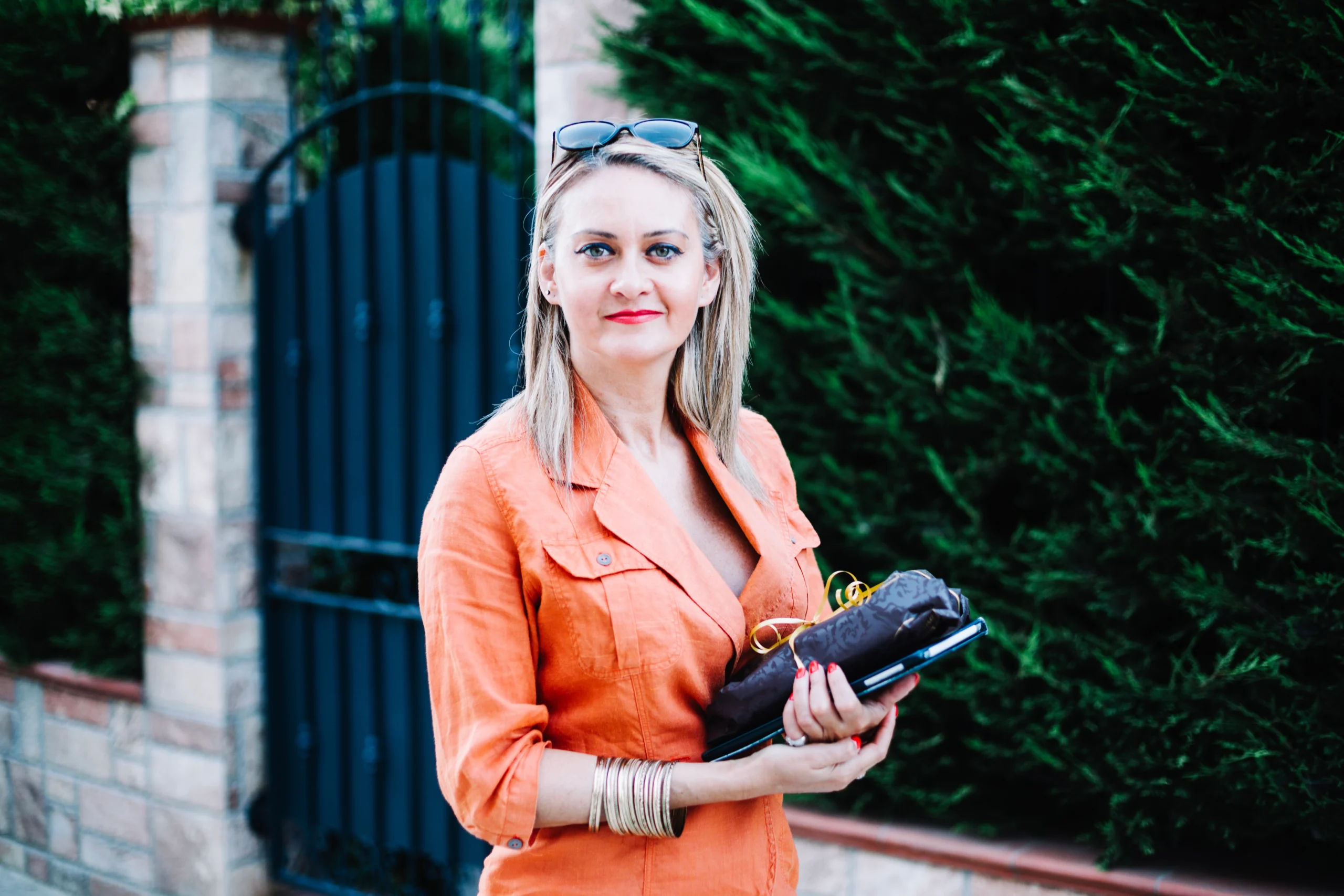


Amara Osei’s diary is fully booked six weeks out. Newcastle on weekdays, Glasgow twice a month.
Eighteen months ago, that same diary had gaps she couldn’t explain.
This is the story of what happened in between.
When Everyone Started Offering the Same Thing for Less
A wave of budget aesthetic clinics spread across social media that year. Mobile injectors. Weekend “filler parties.” Prices a fraction of what trained, insured practitioners had ever charged.
The ads were everywhere. Before-and-afters, filtered and dramatic, promising the same results for less than half the cost.
Amara had spent nine years building a client base on training, safety, and slow, careful consultations. None of that translated well onto a five-second video competing for attention on a phone screen.
Bookings that used to fill weeks in advance started arriving with less notice, and fewer of them. A few regular clients mentioned, almost apologetically, that they’d tried one of the cheaper options instead.
Nine Years of Doing It Properly
Amara had trained for years before she ever picked up a needle professionally. Nursing background first. Then advanced aesthetic qualifications most of her new competitors simply didn’t have.
That training had always been her whole selling point. Clients paid more, but they knew exactly who was treating them, and why.
Now the market seemed to be telling her that didn’t matter as much as it used to. Cheaper and faster were winning the algorithm, even when they weren’t winning on actual skill.
For the first time in years, Amara genuinely wondered if she needed to drop her prices just to keep the diary full.
The Notebook in the Bottom Drawer
She was clearing out an old desk drawer, looking for something else entirely, when she found it. Her original training notebook, from her very first course, nearly a decade old.
Half the pages were notes on technique. The other half were something she’d forgotten she’d even written down.
One line, underlined twice in her own handwriting from years earlier, stopped her completely:
People aren't paying for the needle. They're paying to trust the hand holding it.
She’d written that during her very first week of training, long before she had a single client of her own. She’d apparently understood it once, clearly, and then spent nine successful years slowly forgetting it under the pressure of a market obsessed with price.
What She Changed After That
Amara didn’t try to compete on cost. She couldn’t, not without cutting corners on the training and safety that had always set her apart.
Instead, she leaned all the way into what a five-second video never could. Longer consultations. Honest conversations about what a treatment could and couldn’t do. A clear explanation, every time, of exactly why her approach cost what it cost.
She started sharing more of the unglamorous parts of her work too — the training, the qualifications, the questions she asked before ever treating someone, not just the polished results.
It felt slower, and a little less flashy, next to clinics posting daily transformation videos. But it was honest, and it was hers.
Newcastle, Glasgow, and a Full Diary Again
The budget clinics are still busy, still cheap, still everywhere on social media.
Amara’s diary filled back up anyway, and then some, largely from clients who’d tried the cheaper option first and came back afterward, ready to pay for the training they’d skipped over the first time.
Her Glasgow clinic days, added a year later, came almost entirely from referrals — people who’d heard about the practitioner who actually explains everything before she does anything.
Amara didn’t win by matching anyone’s price. She won by finally remembering, in her own handwriting, what she was actually selling all along.
The Part Amara Almost Missed
Here’s what makes this story worth sitting with for a minute longer than most.
Amara didn’t find a new strategy in a course, a mentor, or a competitor’s playbook. She found it in her own handwriting. A sentence she’d written down once, believed completely, and then quietly stopped living by, one discounted price and one anxious week at a time.
That’s the part that should unsettle you a little. Not that the market changed. Markets always change. What’s unsettling is how easily nine years of real conviction can get worn down by a few slow months, without anyone ever noticing it happening in real time.
Most people don’t lose their standards in one dramatic moment. There’s no single client who talks them into it, no one bad decision they can point back to.
It happens the way Amara’s did. A little erosion here. A little second-guessing there. Right up until a market obsessed with speed and price starts to feel like the only version of reality that exists.
The useful question isn’t really “should I lower my price to compete.” That’s the surface question, and it’s the one that keeps most people stuck. The deeper question is the one Amara accidentally stumbled into, in a bottom drawer, on an ordinary afternoon: what did I believe about my own work before I started measuring myself against everyone else’s?
If you’ve been in your field for any real length of time, there’s a decent chance you have your own version of that notebook somewhere. Maybe it’s an old email. A note from an early mentor.
A conversation with yourself before you knew enough to be scared of losing anything. It’s worth going back and finding it, honestly, before you make any big decision about price, positioning, or how you compete with something cheaper and louder than you.
Amara’s diary filled back up because she remembered something true about her own work. Not because she found a clever new tactic. That distinction matters more than it sounds like it should.
I’d genuinely like to know. Drop a comment and tell me what it was, and what it changed when you found it again. I read every single one.
Amara